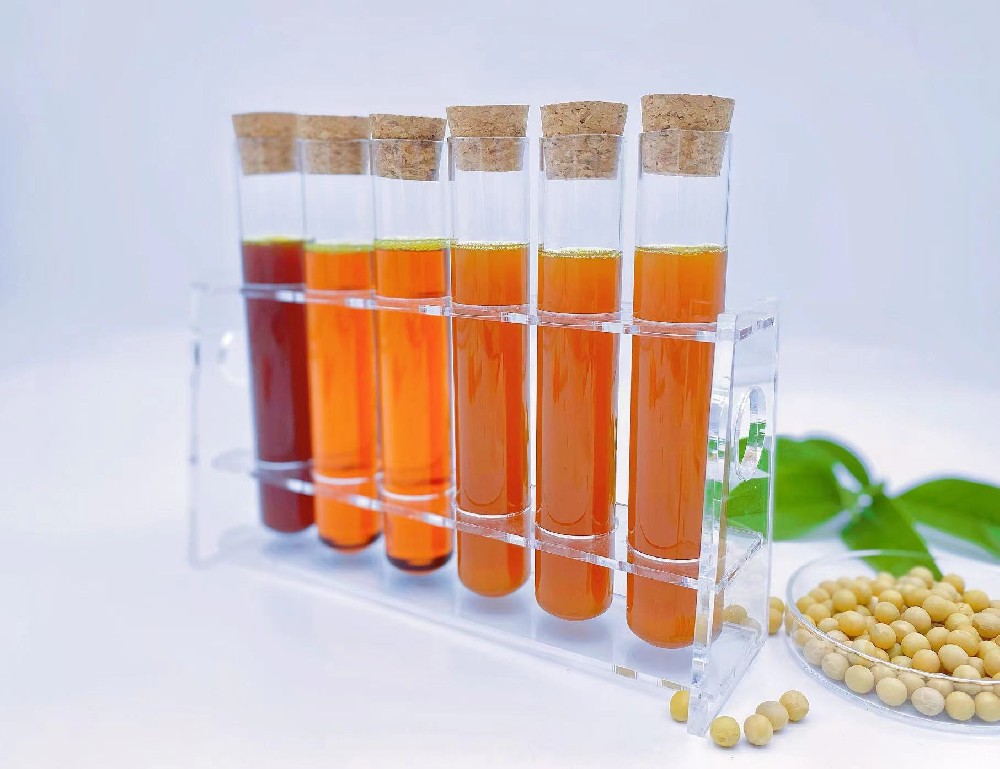
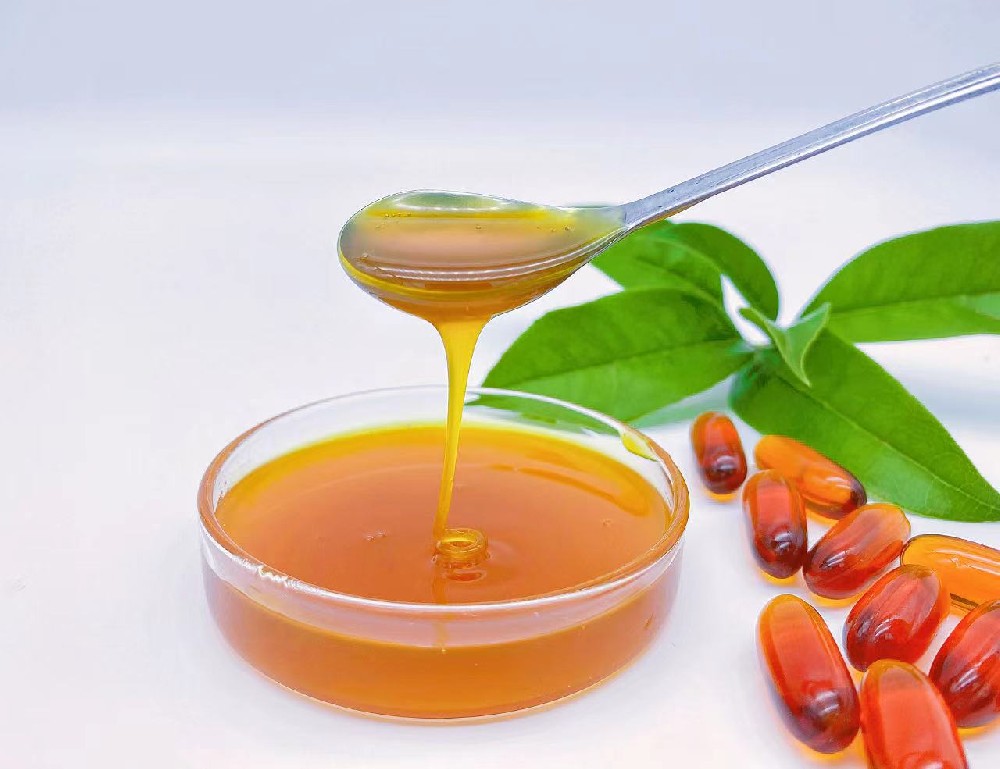
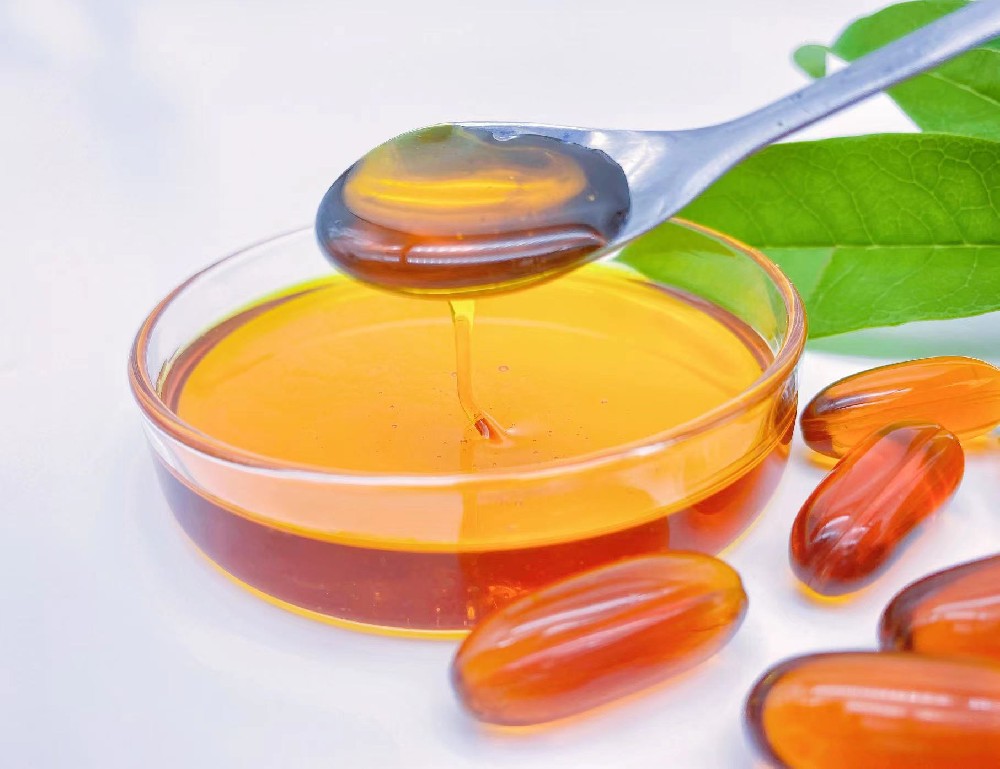
Most of the performance advantages of phospholipids come from the unique hydrophilic and hydrophobic surface active properties of their main component phospholipids.
These phospholipids exist in the liquid phospholipids of plants:
Phosphatidylcholine (PC, 14-16%)
Phosphatidyl ethanolamine (PE, 10-15%)
Phosphatidylinositol (PI, 10-15%)
Phosphatidic acid (PA, 5-12%)
Lecithin derived from plants also contains triglycerides, sterols, small amounts of fatty acids, sugars, lipids, and carbohydrates.
Deolecithin enhances the typical phospholipid composition, as shown in the attached figure. Fractionation (decomposition) of these complex mixtures or altering their composition can create new products suitable for specific applications.
For example, products containing over 80% phosphatidylcholine (PC), glycerophosphocholine (GPC), or phosphatidylserine (PS) can promote healthy cell function or enhance the bioavailability of nutritional supplements.
As an emulsifier, lecithin can be added to the oil or water phase during the processing. Liquid lecithin is more easily dispersed in oil; Degreasing (powdered) lecithin is easier in water. Heating to 120 ° F helps with dispersion and improves operational and mixing characteristics.
Oil in water lotion usually contains 5-10% lecithin by weight of oil, and water in oil lotion usually contains 1-5% by weight of oil.
The particle size affects the demand for phospholipids in wetting and instant applications. Larger particles have a smaller surface area and typically require up to 0.25% lecithin; Smaller particles typically require a maximum of 2%.