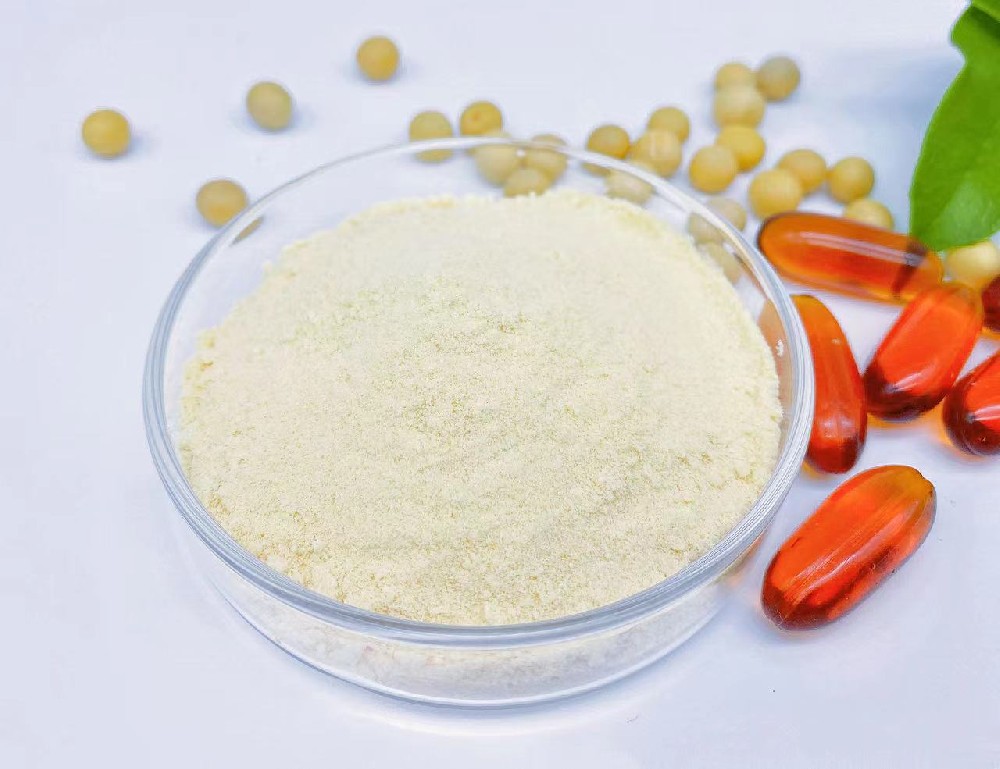
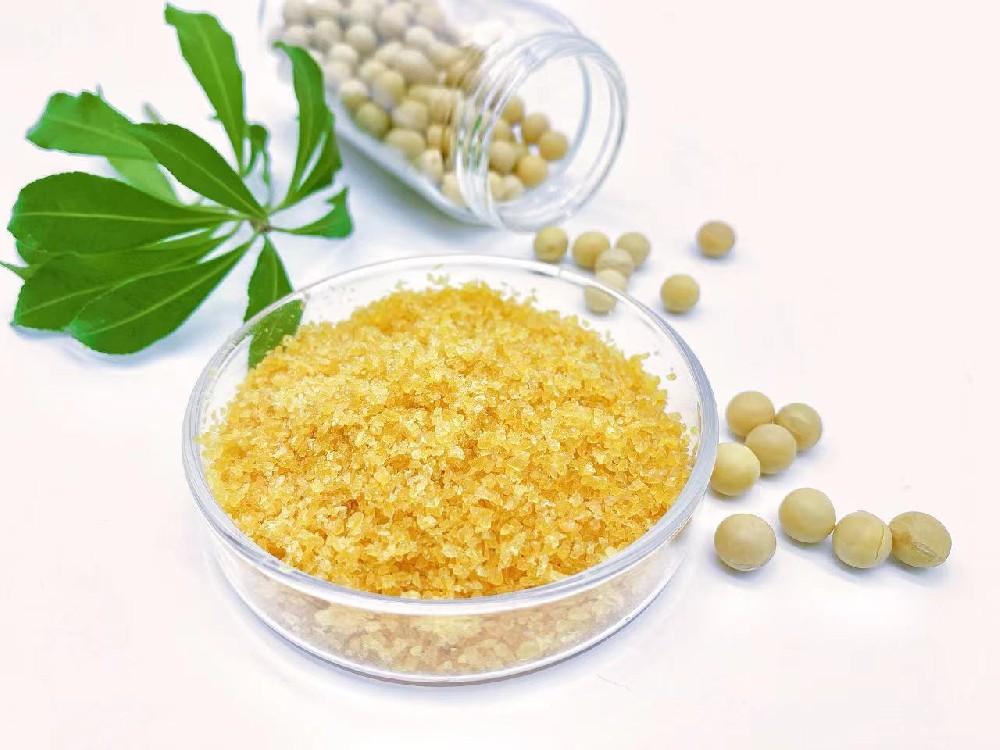
Lecithin products are classified based on attributes such as color, viscosity, and percentage of certain components. The term used when specifying lecithin is:
Acetone insoluble substance (AI)
Expressed as a percentage. This is a measure of the surface active fraction of phospholipids, which are mainly composed of phospholipids and glycolipids.
Acid value (AV)
Expressed as meq KOH/kg. This is a measure of the total acidity provided by the ionizable groups of phospholipids and free fatty acids added to some liquid phospholipids to stabilize viscosity.
colour
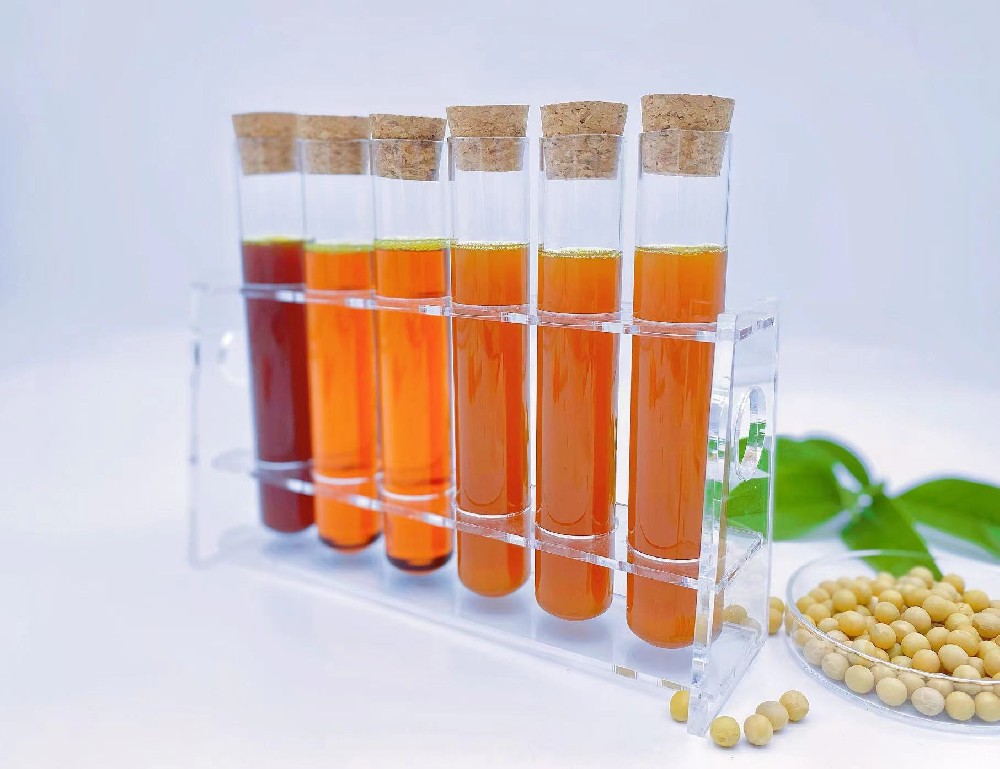
Measure according to the Gardner scale. The color range of most liquid lecithin products ranges from light honey (11 on the scale) to deep amber (17 on the scale).
Hexane insoluble substance (HI)
Expressed as a percentage (usually less than 0.1%). Measure residual non fat substances mainly composed of soybean meal powder.
Moisture (H2O)
Measurement is carried out using the Karl Fischer method, which is a potentiometric titration method specifically designed for water. Powder and liquid phospholipids typically contain approximately 1% water.
viscosity
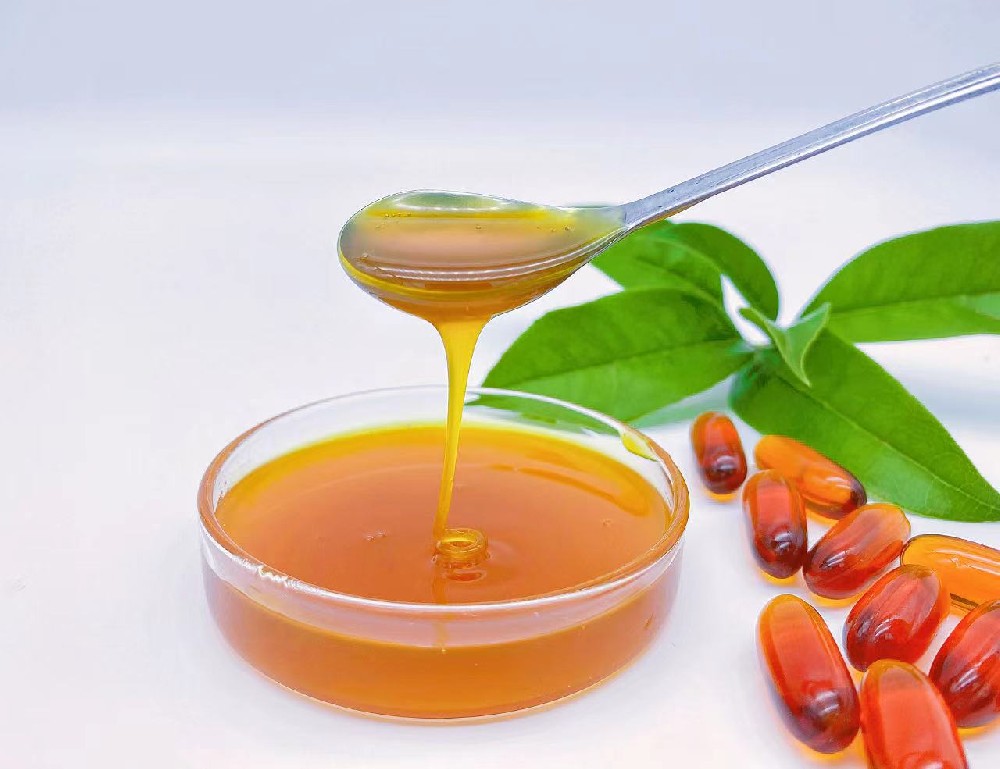
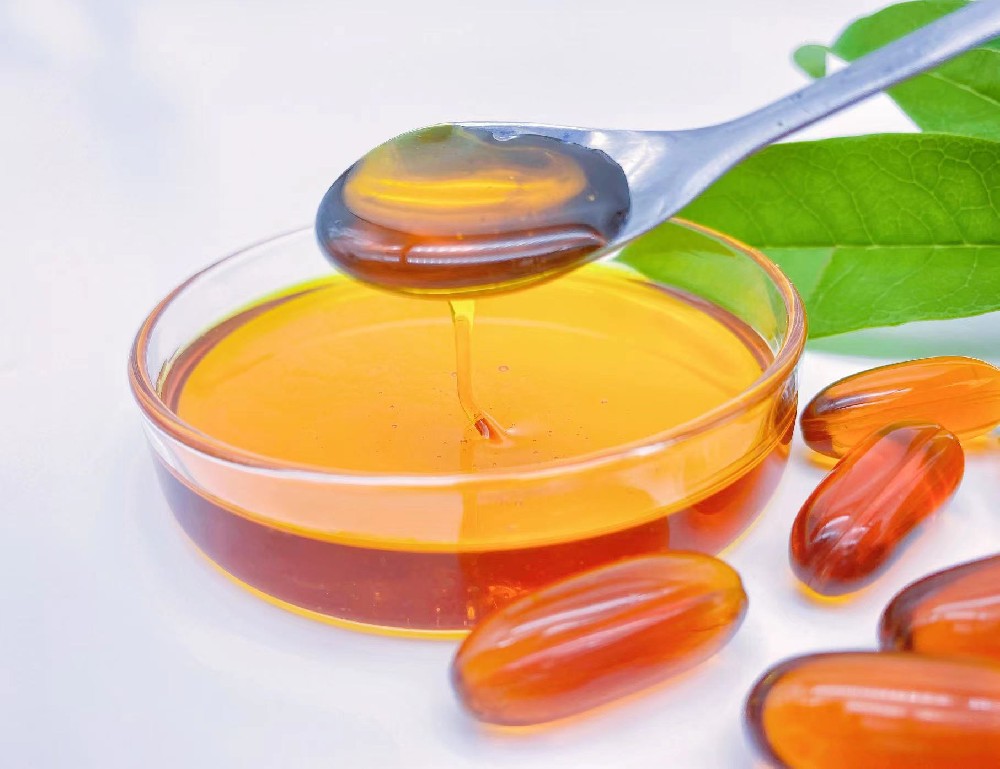
For liquid lecithin, after evaluation using the Brookfield rotational viscometer, report in millipoises (cP) at 25 ° C/77 ° F.
Peroxide value (PV)
PV is a measurement of phospholipid oxidation, which may occur between manufacturing and delivery. ALC specifies the lowest possible PV and handles its products extremely carefully to help minimize oxidation.
Phosphatidylcholine (PC)
Amphiphilic phospholipid molecules, the main emulsifier in lecithin. PC is the main component of biofilms and can supplement natural choline in the diet.